Revitalize Your Property: Essential Facts On Residential Improvement Projects for All Property Owners
Homeowners often seek options to upgrade their living spaces through remodeling services. These projects can range from kitchen upgrades to full house remodeling. Being complete info aware of the possibilities is crucial for making sound choices. Additionally, there are real-world factors such as setting a budget and choosing the right builder. When property owners embark on this process, they may find themselves facing unexpected challenges. The key to a successful transformation depends on thorough design and performance. What steps should be taken next?
Grasping the Diverse Forms of Residential Renovation Work
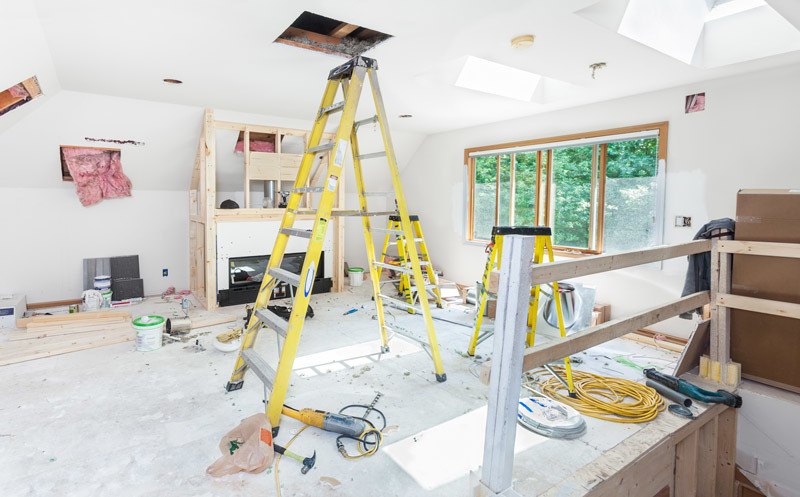
When homeowners consider renovating their living spaces, they often encounter numerous renovation options designed for specific preferences and preferences. These projects are generally grouped into several types, each focusing on particular areas of residential enhancement. Kitchen renovations center on upgrading equipment, the cabinets, and the design to enhance functionality and the look. Bathroom remodeling typically involves upgrading fixtures, tiling, and organizational units for better convenience and style.
Full-house renovation covers major alterations across the property, frequently involving changing the structure to make the most of the space and movement. External improvement work, in contrast, focus on boosting the property's street view, dealing with the cladding, roofing, and landscaping. Furthermore, specific options like basement finishing and upgrading the attic enable property owners to utilize fully underutilized spaces. All these service types delivers specific perks, enabling homeowners to choose options that match their goals for their residence. Understanding these distinctions is vital for choosing wisely during the renovation process.
Setting a Realistic Budget for Your Renovation Undertaking
How can homeowners guarantee their remodeling projects remain within budget? Establishing a realistic budget is essential. Property owners must start by assessing their monetary resources, like savings and available loan choices. This preliminary action allows one to figure out the amount that can be set aside for the updating project without compromising other financial responsibilities.
Next, homeowners must look into the financial requirements of their intended changes, taking into account materials, labor, and unexpected costs that frequently occur. Making an exhaustive list of needs will assist in distinguishing essentials from desirable features, enabling modifications if the finances are strained.
It is prudent to set aside an emergency fund, usually about 10-20% of the overall cost, to handle unforeseen expenses. Frequently checking and modifying the budget as the updating work progresses can further assist in keeping finances in check. Ultimately, a well-planned budget not only guarantees project viability but also enhances the overall remodeling experience for those living in the home.
Finding the Best Contractor for Your Needs.
Selecting the right contractor can significantly affect how well a renovation turns out. It is recommended that homeowners start by conducting thorough research, looking for suggestions from acquaintances, relatives, or web feedback. It is essential to confirm documentation, like licenses, insurance, and bonds, to confirm legitimacy.
After suitable professionals have been found, homeowners should request detailed estimates and timelines, making it possible to compare options knowledgeably. Meeting with them offers a look at their manner of communicating and their professional conduct, which are essential for a collaborative process.
Additionally, reviewing past projects through portfolios or references shows the builder's standard of work. Property owners must also ask about guarantees or assurances, indicating the builder's certainty about their services.
Finally, picking a builder whose approach fits the property owner's ideas, cost plan, and timeframe fosters a more positive remodeling experience, making certain the outcome satisfies needs and successfully updates the home's interior.
Structuring and Laying Out Your Perfect Area.
When property owners picture their perfect areas, careful planning and thoughtful design become essential components of a successful remodeling project. The first step involves evaluating current needs and future aspirations, allowing for a thorough understanding of how the space will be used. Homeowners should consider functionality, visual appeal, and their individual taste, making sure the design captures their distinctive choices.
Following this, developing a comprehensive budget is essential. This budget should accommodate materials, workforce costs, and possible unexpected costs. Engaging with design professionals can provide valuable insights, assisting in improving the layout and respecting budgetary constraints.
Including features such as ample daylight, spacious designs, and sustainable materials can enhance the overall experience. Finally, visualizing the project through mock-ups or 3D visualizations can help perfect concepts before starting the work. By approaching the planning and design phase with intention, homeowners can design a welcoming, practical area customized for their needs.
Understanding Regulations and Permits in Home Remodeling
Familiarizing oneself with the red tape and requirements can be daunting for homeowners starting on a remodeling project. Every city or county maintains distinct regulations that dictate what is permissible during renovations, typically guided by zoning laws, construction standards, and security requirements. Owners need to acquaint themselves with local regulations so they don't incur hefty fees or construction hold-ups.
Generally, securing permits is essential for substantial modifications, such as structural changes or new wiring installations. This process frequently requires submitting blueprints for approval and might demand site visits at multiple points.
Engaging a knowledgeable contractor can simplify this process, as they are often familiar with local codes and can help manage the documentation. Homeowners should also keep communication open with local building departments to ensure adherence throughout the project. By comprehending and working within these rules, homeowners can meet their renovation objectives while guaranteeing that the work is safe and legal in their renovations.
FAQs
How Long Does a Typical Home Remodeling Project Take?
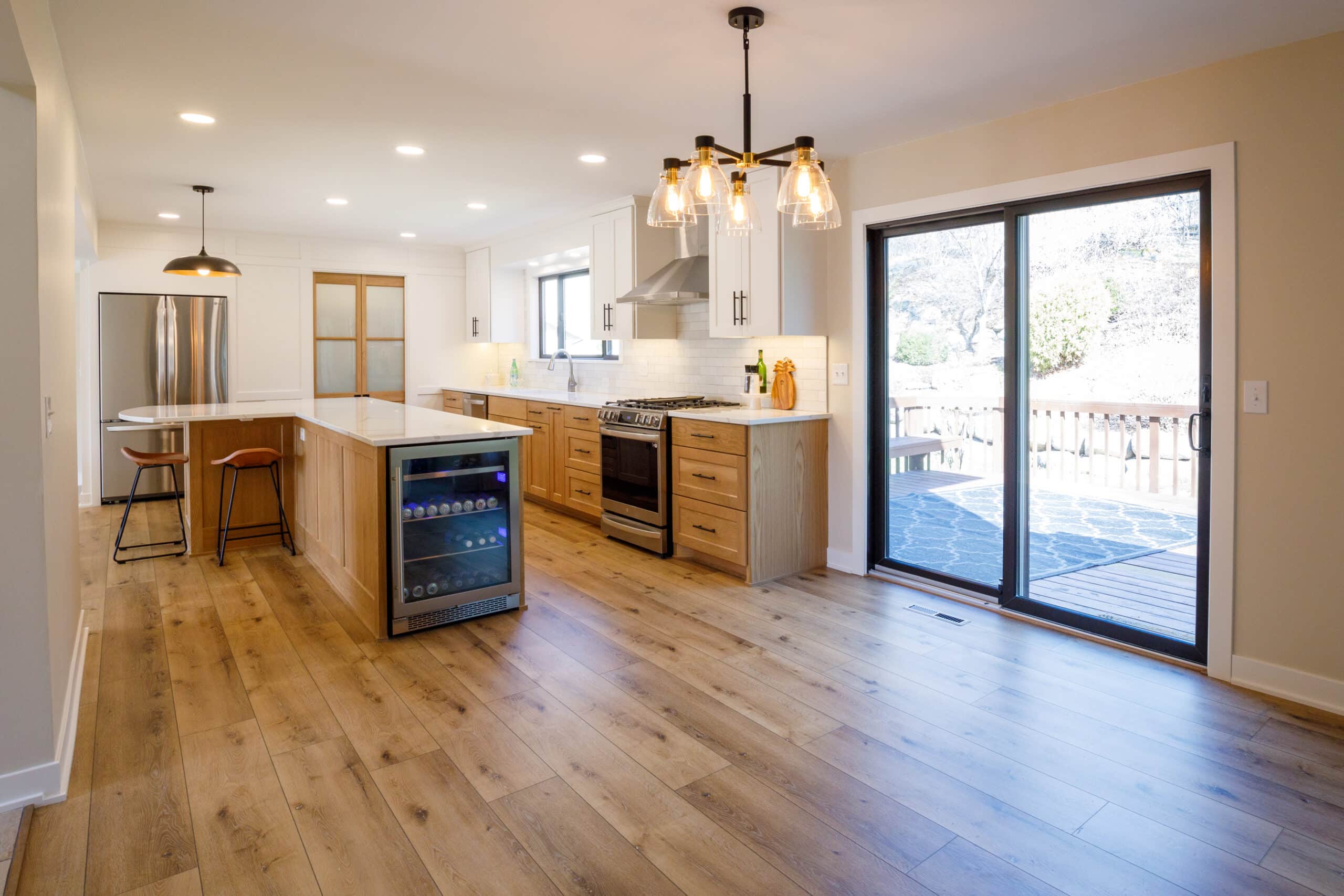
A typical home remodeling project usually takes three to six months on average, contingent upon the extent of the project, size of the home, and availability of materials. Intricate jobs could demand more time for completion.
What are some typical errors you should steer clear of when renovating?
Common mistakes during remodeling are things like miscalculating costs, neglecting permits, overlooking timelines, failing to communicate effectively with the construction team, and ignoring long-term functionality. Knowing these potential problems helps ensure a more efficient, more successful remodeling experience.
What's the best way to select the right materials for my project?
Choosing the right materials means considering how long they will last, visual appeal, and budget. Looking into different products, talking to specialists, and thinking about upkeep are vital steps in making informed decisions, ensuring the project aligns your functional and aesthetic goals.
Will I be able to reside in my property during renovations?
Yes, one can live in the house during renovations, but it may lead to inconvenience. Careful planning, maintaining open dialogue with your builders, and creating defined spaces for essential activities can lessen the stress while the work is underway.
What guarantees should I look for from the renovation company?
Homeowners should expect warranties for the labor performed, materials, and key building elements, which usually last between one to ten years. It is crucial to review the exact provisions in partnership with the renovation company to clearly grasp what is covered and what is excluded.